

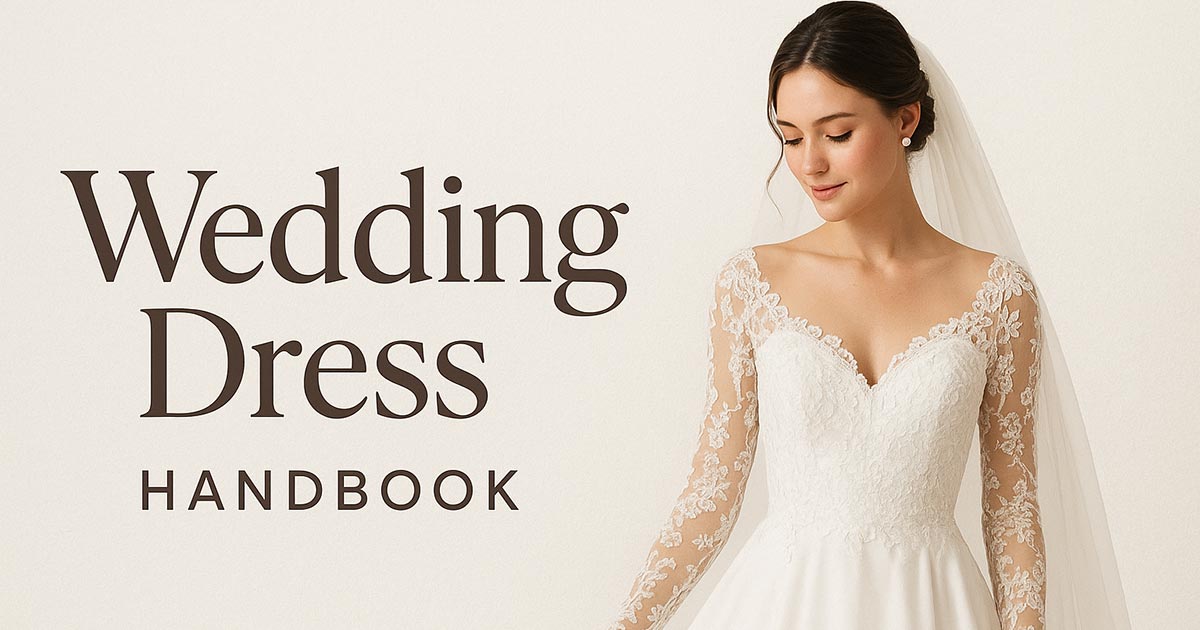
Wedding Dress – Basic Info
| Attribute (EN) | Description |
|---|---|
| Name | Wedding Dress / Bridal Gown |
| Category | Bridal Apparel |
| Purpose | A ceremonial gown worn by the bride for the wedding |
| Origin | Derived from Western wedding customs |
| Target Wearer | Bride |
| Occasion | Engagement Ceremony / Wedding Day / Photoshoot |
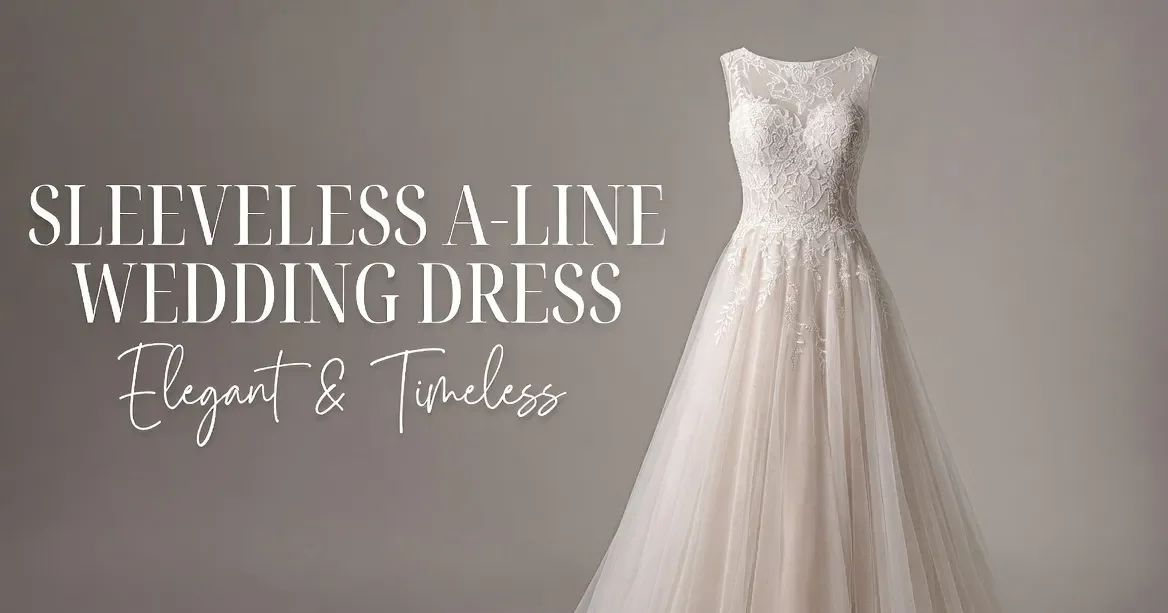
| Silhouette | A-Line, Ball Gown, Mermaid, Fit & Flare, Sheath, Empire |
| Fabric | Lace, Satin, Tulle, Chiffon, Organza, Mikado, Crepe |
| Color Options | White, Ivory, Champagne, Blush, Custom Colors |
| Neckline | V-Neck, Sweetheart, Off-the-Shoulder, High Neck, Square, Halter |
| Sleeve Style | Sleeveless, Cap Sleeve, Short Sleeve, Long Sleeve, Strap |
| Back Design | Zipper, Button Up, Corset, Low Back, Illusion Back |
| Train Length | Chapel, Cathedral, Royal, Sweep, No Train |
| Embellishments | Appliqué, Beading, Sequins, Embroidery, Pearls |
| Waistline | Natural Waist, Empire Waist, Drop Waist |
| Fit Type | Slim Fit, Regular Fit, Loose Fit |
| Skirt Style | Layered, Pleated, Slit Skirt, Full Skirt |
| Size Range | Standard US / UK / EU Sizes + Custom Sizing |
| Care Instructions | Dry clean only / Store in breathable garment bag |
| Season Suitability | Spring / Summer / Autumn / Winter |
| Style Theme | Classic, Modern, Glamorous, Boho, Minimalist, Vintage |
| Price Range | Budget-friendly to Luxury couture (varies by materials & design) |
| Customization | Size / Color / Train length / Sleeve modifications available |
| Accessories Compatibility | Wedding veil, Gloves, Bridal jewelry, Petticoat, Hairpiece |
A wedding dress, also known as a bridal gown, is the ceremonial outfit traditionally worn by a bride during her wedding. Its design, materials, and colors often reflect cultural traditions, fashion trends, and personal preferences. In Western culture, white wedding dresses became popular in the 19th century, symbolizing elegance and celebration. Today, ivory, champagne, and blush are also widely chosen.
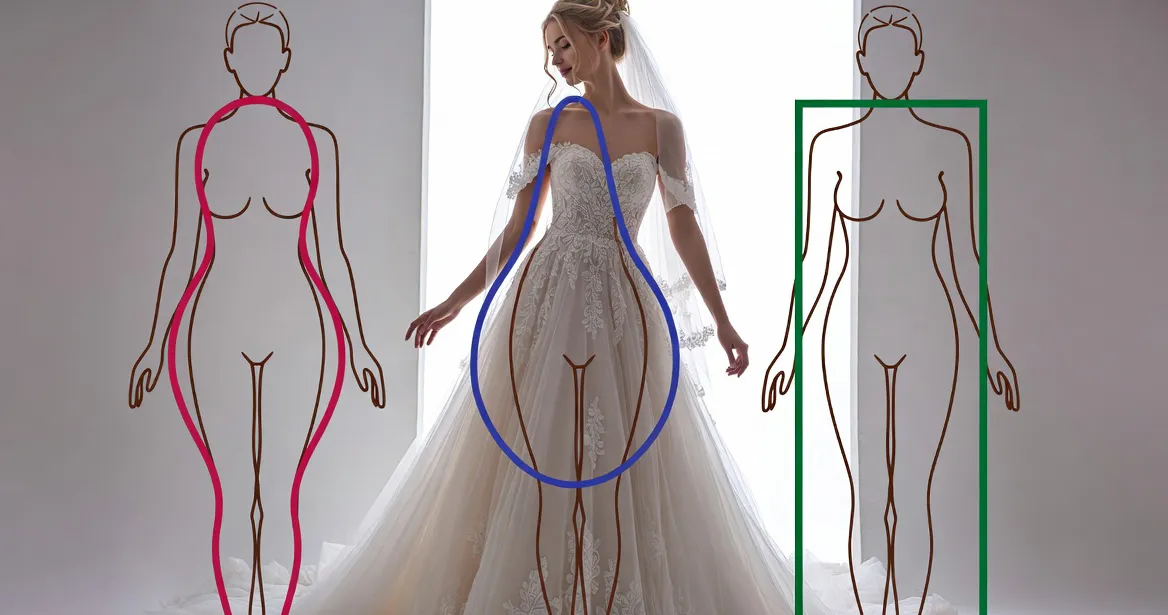
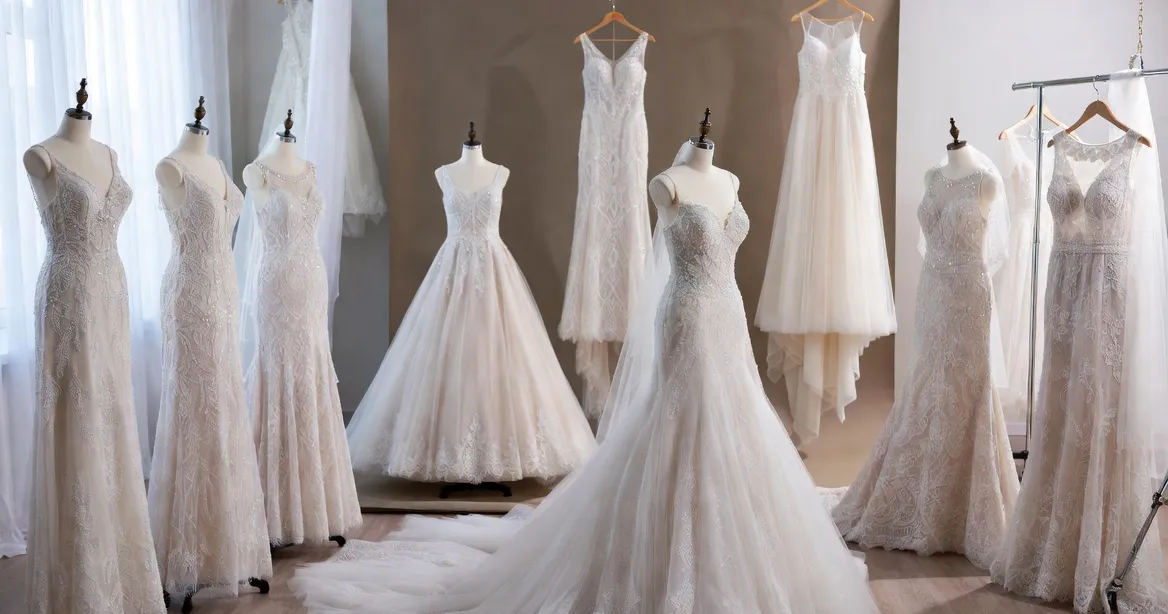
Wedding dresses come in a variety of silhouettes such as A-line, ball gown, mermaid, and sheath, each complementing different body shapes and wedding styles. The gowns may include decorative elements like lace, beading, appliqué, embroidery, or 3D florals, adding texture and personality. Necklines and sleeve types also vary from strapless to long-sleeve designs.
Modern bridal fashion offers customizable options, including size, train length, and fabric selection, to ensure a perfect fit. Wedding dresses are typically worn for ceremonies, receptions, or bridal photography and are often paired with accessories like veils, gloves, and jewelry. With a blend of tradition and creativity, the wedding dress has become a unique expression of love and celebration.
Origin of the Wedding Dress
The wedding dress originated in Western culture, with early brides wearing simple everyday clothes for marriage ceremonies. In medieval Europe, brides often used rich fabrics and bright colors to display family wealth and social status. White dresses were not common at that time; colors like blue, red, or gold symbolized purity, prosperity, or loyalty depending on the region.
Development in Modern Times
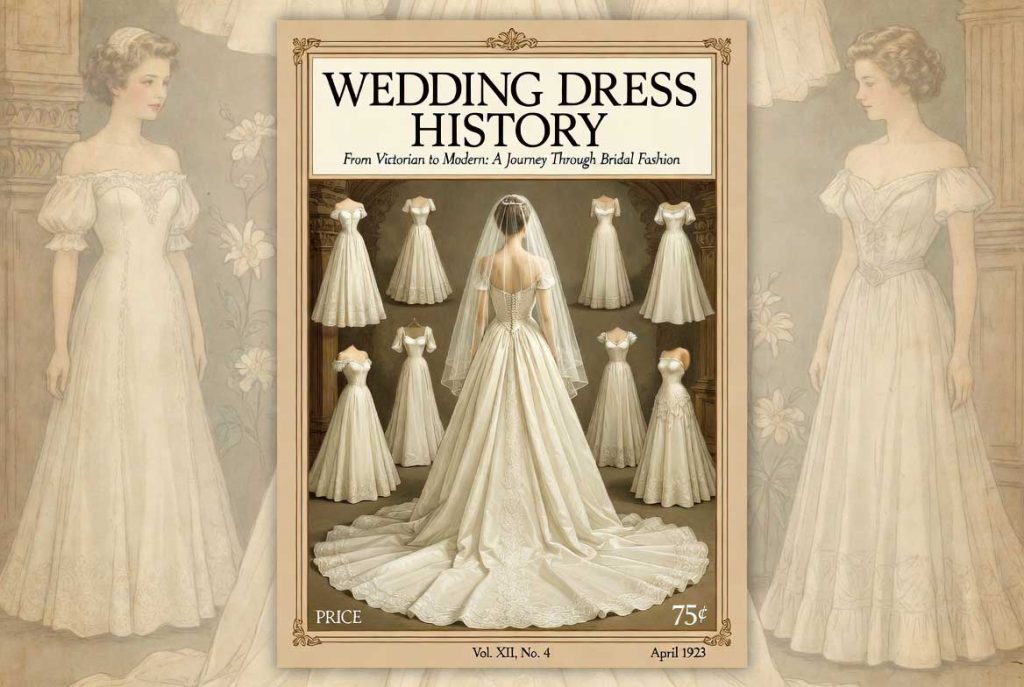
White wedding dresses became popular in the 19th century, largely influenced by Queen Victoria of England, who wore a white gown at her wedding in 1840. White gradually came to symbolize purity, innocence, and celebration. Over time, wedding dresses evolved in silhouette, fabric, and decoration, reflecting fashion trends and technological advances. Modern bridal gowns offer a variety of styles, fabrics, and embellishments, allowing brides to express personal taste and cultural preferences.
Global Influence
As Western wedding customs spread worldwide, the white wedding dress became a universally recognized symbol of marriage. Different cultures adapted the bridal gown to local traditions, blending Western styles with native fabrics, colors, and decorative elements. Today, wedding dresses represent both cultural heritage and personal expression, offering almost limitless creative possibilities.
Trends in Wedding Dress Design
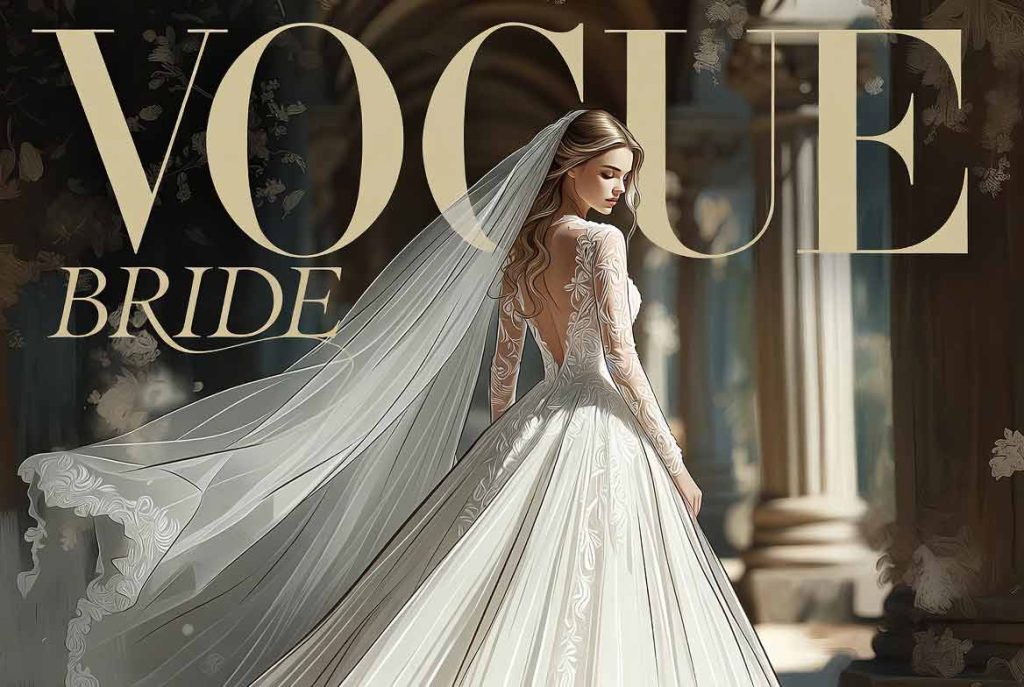
In recent years, wedding dress design has shifted toward personalization and versatility. Modern brides seek gowns that reflect their personality, combining traditional elegance with contemporary style. Minimalist designs, clean lines, and understated embellishments have become popular, while intricate lace, embroidery, and 3D floral decorations remain timeless favorites.
Fabric and Sustainability Trends
Sustainable fabrics and eco-friendly production are increasingly important. Brides are choosing organic silk, recycled lace, and lightweight, breathable materials that are comfortable for long ceremonies. The trend toward sustainability also influences designers to create gowns with reusable or multi-purpose elements.
Silhouette and Style Trends
While classic silhouettes like A-line and ball gown remain popular, there is a growing demand for unconventional shapes, including jumpsuits, separates, and detachable skirts. Off-shoulder, illusion backs, and asymmetrical designs are favored for a modern, fashionable look.
Global and Cultural Influences
Globalization has led to a fusion of Western and local styles. Brides may combine traditional cultural elements with contemporary designs, blending colors, patterns, and accessories in innovative ways. The emphasis is on individuality and self-expression, making each wedding dress unique.
Making Process
Materials and Fabric
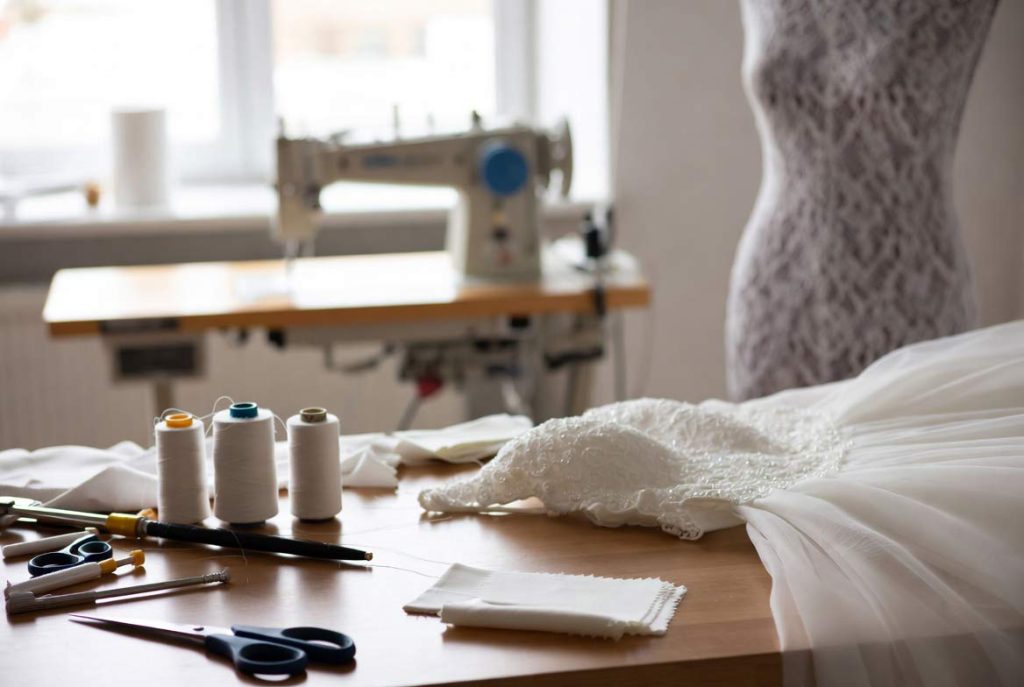
Wedding dresses are made from a variety of fabrics, including lace, satin, tulle, chiffon, organza, crepe, and mikado. The choice of fabric affects the gown’s texture, drape, and overall appearance. Designers often combine multiple fabrics to create layers and visual interest.
Construction and Sewing
A wedding dress is carefully constructed with precise sewing techniques. The bodice is often reinforced with boning or inner lining for structure, while seams and darts are used to ensure a perfect fit. Skilled seamstresses work to align patterns, embroidery, or lace for symmetry and elegance.
Embellishments and Decoration
Many gowns feature decorative elements such as beading, sequins, appliqué, embroidery, or 3D floral accents. These embellishments are sewn by hand or machine, adding texture and uniqueness to each dress. The level of decoration often reflects the gown’s style and price range.
Customization and Fitting
Wedding dresses are often tailored to the bride’s measurements. Adjustments to waistline, train length, neckline, and sleeves ensure comfort and perfect fit. Multiple fittings are common before the wedding day to refine the gown.
Finishing and Quality Control
After construction, the gown undergoes pressing, steaming, and final inspection to ensure no defects. Hems are finished, embellishments secured, and the overall gown polished to maintain shape and beauty.
Basis for Wedding Dress Classification
Wedding dresses are designed to highlight the beauty of the female body, emphasizing characteristics such as curves, lightness, transparency, subtle exposure, softness, fluidity, elegance, modesty, and a dreamy or ethereal quality. In terms of style, wedding dresses are mainly categorized as: A-line wedding dresses, sheath dresses, floor-length dresses, short train dresses, long train dresses, ball gown dresses, one-piece dresses, spaghetti strap dresses, strapless dresses, plain dresses, beaded dresses, puff sleeve dresses, princess-style dresses, form-fitting dresses, and high-waist dresses.
Fabric
Overview
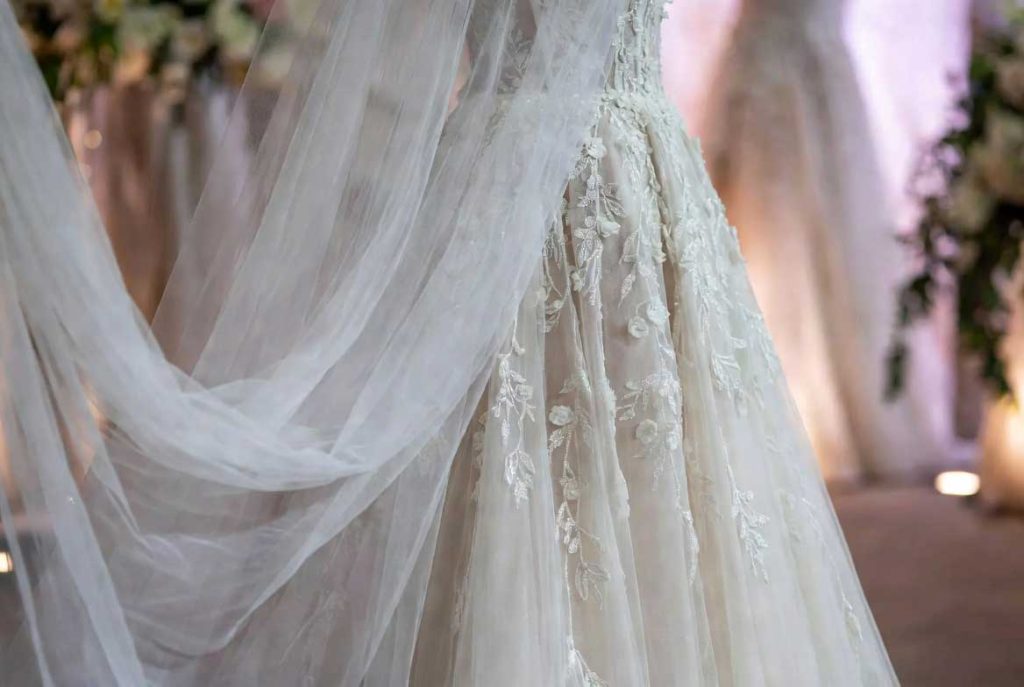
Wedding dresses are made from a wide range of fabrics, including wool, cotton, linen, silk, or silk-like materials such as satin, duchess satin, shiny satin, organza, crystal tulle, mesh tulle, pure silk, 100% raw silk, silk brocade, chiffon, crêpe, taffeta, soft netting, and more. Today, the main fabrics used for wedding gowns include satin, duchess satin, shiny satin, lace, crystal tulle, organza, and mesh tulle. Fabrics can be either imported or domestic, with imported fabrics usually coming from Europe or Japan/Korea. Naturally, the choice of raw materials also determines the dress’s quality level and price.
Recommendation
For tulle-based wedding dresses, the concept of “layers” is very important. It is recommended that, within budget, dresses with fewer than four layers of tulle be avoided. Too few layers make the dress look flat, lack volume, and fail to convey the light, romantic, and dreamy feel of tulle. For satin-based gowns, generally one layer of imported duchess satin plus one inner lining is sufficient to achieve a good effect, and adding a quality petticoat will make the gown even more beautiful and elegant.
Characteristics
Overly complex designs and decorations can be distracting, drawing attention to the dress rather than the bride. Dresses with heavy floral embellishments across the entire skirt can overwhelm the viewer’s focus. Therefore, Western wedding fashion advocates simplicity and elegance, though appropriate beading, lace, bows, or ribbons remain essential finishing touches. As one fashion brand puts it: “Simple but not plain.”
Classification
Wedding dress fabrics are mainly classified as follows:
- Domestic Satin: Commonly used in Suzhou-made gowns, relatively thin and lightweight, with limited drape.
- Imported Duchess Satin: Common types include Taiwanese or Xiangbin satin; thick, heavy, good drape, and pure color. High-quality satin is heavy yet soft, with a firm structure. Poor-quality satin can show underlying seams or petticoat shapes. Ideal satin has a soft, pearl-like luster, such as silk brocade satin, which is strong yet elegant. Japanese satin is also used; it is cost-effective with good texture, though slightly stiff and less glossy.
- Crystal Tulle: Firm texture, good transparency, lightweight and thin.
- Organza: Light and airy, very thin and transparent, slightly crisp to touch; ideal for voluminous silhouettes. Synthetic organza is cheaper.
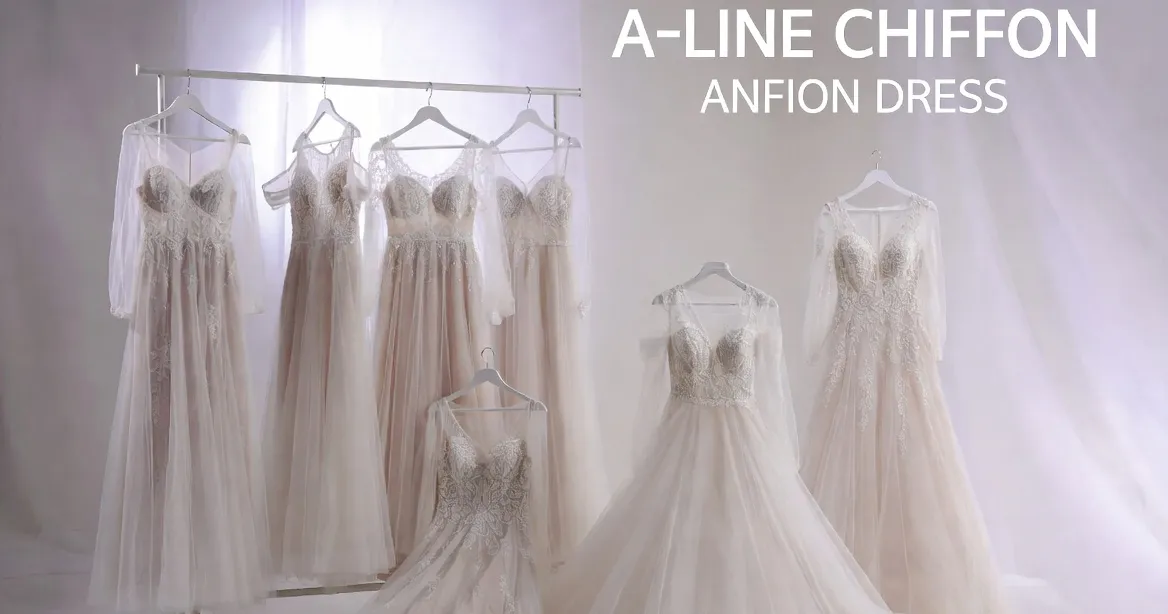
- Chiffon: Lightweight, soft, and flowing, with the natural softness of silk. Comfortable, airy, and suitable for summer wear.
- Lace: Often used as edge decoration or pattern accents; can also cover large areas of the gown. Designs are delicate, patterns slightly raised, soft to the touch, and usually expensive.
- Synthetic Fibers: Fabrics are crisp and wrinkle-resistant, moderately priced, and widely available. The downside is a slightly rigid fit.
- Pure Silk: Noble and elegant, ideal for grand, luxurious styles, such as royal-inspired gowns. Expensive and prone to wrinkling, requiring careful handling.
- Glossy Satin: Elegant and shiny, rich in femininity.
- Taffeta: Lightweight and smooth, easily embossed with subtle patterns; suitable for spring or autumn wear.
- Satin (Standard): Thick texture, heavy and structured, giving a solid and linear look, warm, suitable for tall or full-figured brides.
- Pearl Tulle: Shiny with rainbow-like reflections, soft and flowing; ideal for lively, petite, or princess-style brides.
- Velvet: Textured, gives a sense of nobility, mystery, and warmth.
Craftsmanship
1. Boning
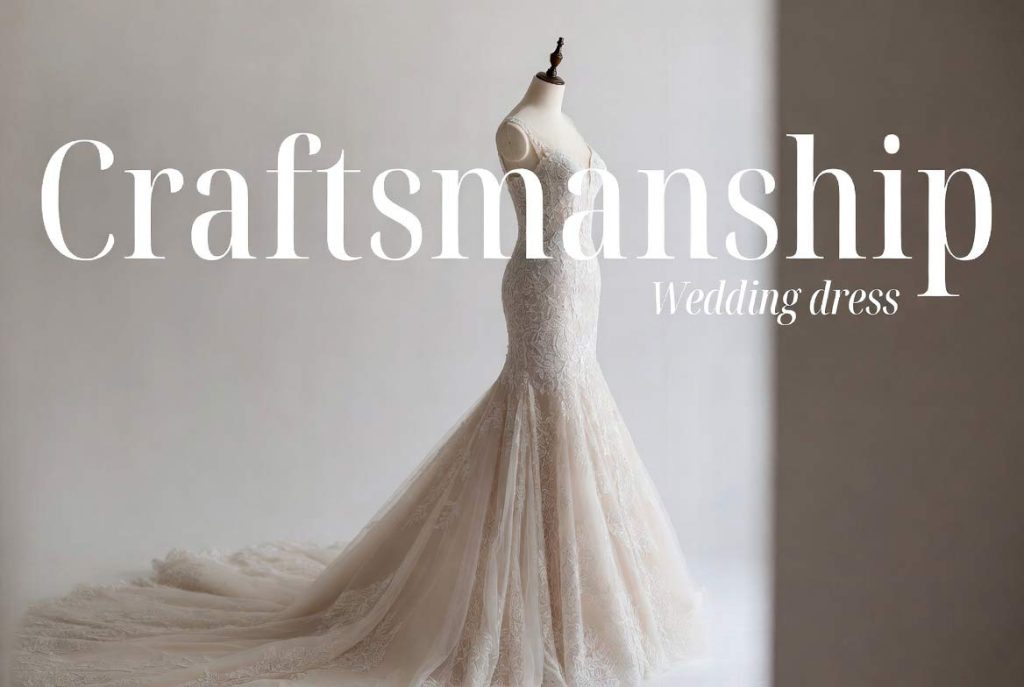
Not every wedding dress style requires boning; for example, sheath dresses generally do not need it. Adding more boning does not always improve the dress. Typically, 4 bones are sufficient, with a maximum of 6. Some lingerie-style gowns may use up to 8. Good boning is flexible rather than stiff, and for non-lingerie designs, it should be installed inside the lining rather than on the dress surface.
2. Lining
A standard soft tulle lining is usually sufficient. There are two common lining methods: the first is to add lining at the abdominal area to enhance the curve; the second is to add two hook-like supports at the back corresponding to the bust, commonly used in strapless dresses to create a perfect chest shape and better fit. For softer fabrics, an additional soft tulle layer may be added inside the dress fabric for structure.
3. Hem and Skirt Layers
The skirt lining should not be omitted due to the presence of a petticoat. Typically, 3–6 layers are used to hide the petticoat’s structure. For mermaid or sheath gowns, lining may not be necessary. Long train dresses should have a layer of stiff tulle along the hem, wrapped inside the satin edge, which helps the skirt drape naturally and flow backward without wrinkling when walking.
Labor-Intensive Details
Gowns with fine beading require the most labor. Embroidery quality varies, particularly depending on whether there is boning support in the bust area. Other factors include the density and precision of bead placement, and the quality of lace. From a design perspective, originality and artistic value often make a gown more expensive than replicated or simpler styles.
Customization
1. Allow Sufficient Time
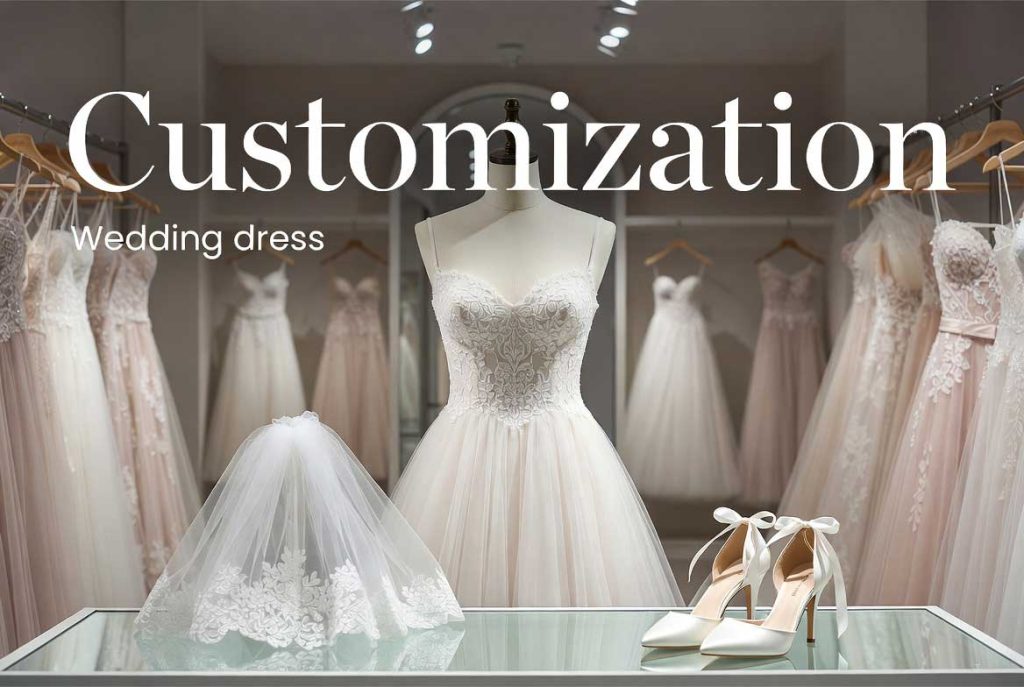
Custom wedding dresses take a long time to make. Brides should begin selecting gowns at least 5–6 months before the wedding. Insufficient time may compress production or alteration periods, affecting the final fit.
2. Set a Budget
Prices vary greatly depending on fabric quality, style, and craftsmanship. Establish a preliminary budget before choosing a brand or design to avoid overspending.
3. Choose a Reputable Bridal Shop
Select a bridal shop with a good reputation and scale. Quality and service are better guaranteed when ordering a custom gown from a trusted store.
4. Consider Wedding Venue and Theme
Dress style should match the venue and theme. For an outdoor garden wedding, simpler and fresher styles are suitable, while a luxury hotel ceremony calls for grander, more elaborate gowns. Consult experienced bridal consultants for professional advice.
5. Accurate Measurements
Proper measurements are essential for fit and comfort. Brides should stand straight, breathe naturally, and wear the same style of undergarments they plan to use on the wedding day. Wearing the intended wedding shoes or providing heel height to the consultant ensures the correct gown length and fit. Allow some margin for potential body changes before the wedding.
6. Proper Fittings
Fittings are the best time to adjust size and details. Bring all accessories to the fitting to evaluate the overall look. Check the fit at the waist and bust, and test movement such as walking, sitting, and raising arms. Communicate any needed adjustments to the dressmaker in time.
7. Maintain Body Shape
For an ideal fit, brides should maintain their body shape leading up to the wedding.
Measurement Guidelines:
- Bust: Measure around the fullest part while wearing a bra.
- Waist: Measure around the narrowest part.
- Shoulder Width: Measure distance from point A to B across the back.
- Dress Length: Measure from the neck-shoulder point over the bust to the floor.
- Arm Length: Measure from shoulder to wrist.
- Hip: Measure around the widest part of the hips.
Choosing and Matching Wedding Dresses
Highlight Your Best Features
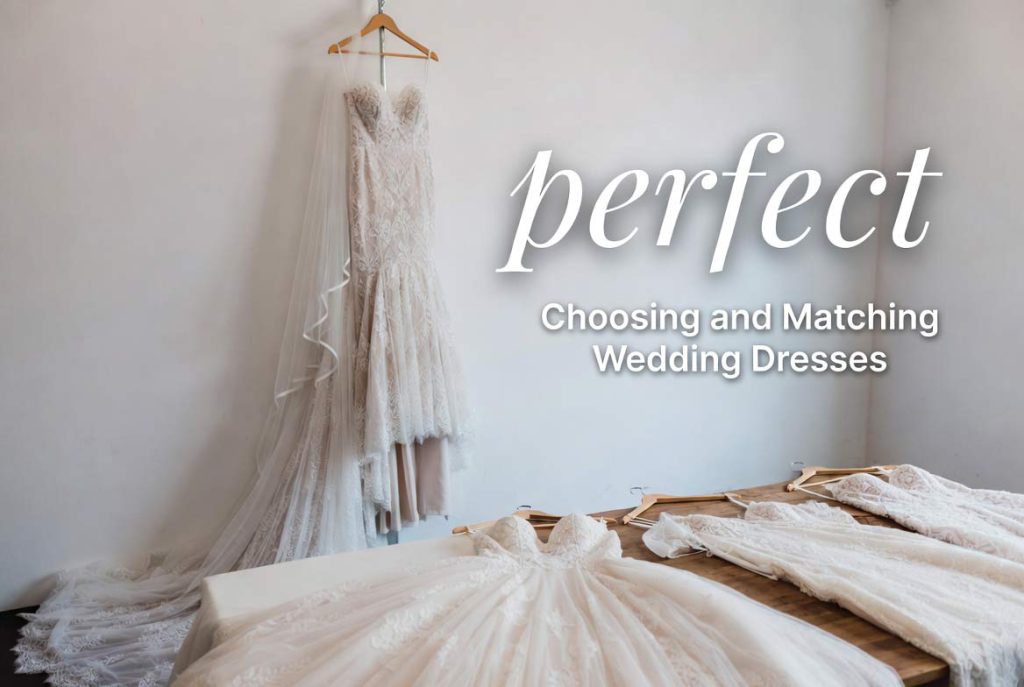
To become the center of attention on their wedding day, many brides carefully select the wedding dress that best complements their beauty. When choosing a dress, it is essential to understand your body’s strengths and weaknesses, emphasizing the positives while minimizing less flattering areas.
Lower Body Lines
If your lower body lines are less defined, opt for a ball gown or fuller skirt to conceal them. Avoid mermaid or tight-fitting skirt designs that accentuate the lower body.
Wide Waist
For a fuller waist, choose a gown with an inverted triangle waist design or a high-waist empire silhouette. These styles redirect the visual focus and create a slimmer appearance.
Full Arms
Select gowns with a matching shawl or add a complementary shawl as an accessory to hide the arms gracefully. Avoid dresses with very thin straps, which can create stark contrast and highlight arm size.
Very Slim Body
Avoid overly low-cut or revealing gowns that may lack support. High-neck or long-sleeve Victorian-style dresses add elegance and presence.
Full Bust
Focus on simple, understated cuts. Overly elaborate designs may make the upper body appear bulky. Tight-fitting skirts on a full-busted gown can exaggerate disproportion.
Full-Figured Brides
- Busty Brides: Choose V-neck, low-waist, and simple-line dresses. Add decorative details near the neckline to draw attention upward. Simple, slightly longer veils work best.
- Full Hips: Opt for gowns with looser skirts and shoulder-emphasizing designs such as off-shoulder or sleeveless, directing attention upward.
- Bust-Heavy: Low-cut gowns can highlight the bust, but if proportions are less balanced, choose sweetheart or simpler necklines to reduce exaggeration.
- Petite Brides: Avoid large bows or heavy lace. Fitted bodices or designs that emphasize the shoulders and arms, such as strapless, sleeveless, or short-sleeve styles, are ideal.
Choosing Based on Skin Tone
In addition to the pure white wedding gown, brides often change into at least two other dresses during the wedding reception. When selecting these dresses, consider both body-flattering cuts and color harmony with your skin tone:
- Fair Skin: Most colors work well; pairing is easy.
- Dark Skin: Bright or vivid colors create a striking, healthy contrast. The effect works best if the skin has a natural sheen.
- Yellowish or Dull Skin: Avoid purples, royal blues, cinnamon, lotus root, or coppery shades, as they can make the skin look dull or blend poorly with the gown. Choosing the wrong color can diminish the bride’s radiant presence.
Common Dress Selection Mistakes
- Assuming professional recommendations are always the best choice.
- Believing gloves are necessary for fuller arms.
- Assuming off-shoulder gowns are ideal for thicker upper arms.
Accessories
Veils: Usually made of mesh tulle, divided into stiff or soft types.
- Stiff Veils: Larger mesh, firm, create volume but less flowy.
- Soft Veils: Preferred by most brides, light, elegant, and flowing; generally more expensive.
Recommendation: Veils should ideally be custom-made with the gown, using matching satin or lace for a coordinated look.
Gloves: Often overlooked, sometimes avoided, especially if hands are beautiful.
- Length: Long, mid, short
- Style: Full-fingered or fingerless
- Material: Lace, tulle, satin
Principle: Gloves should harmonize with the gown in style, material, and color.
Shawls: Important accessories, especially with simple gown designs. A shawl adds elegance and can provide warmth during cooler seasons while maintaining a refined bridal appearance.
Wedding Dress Fitting
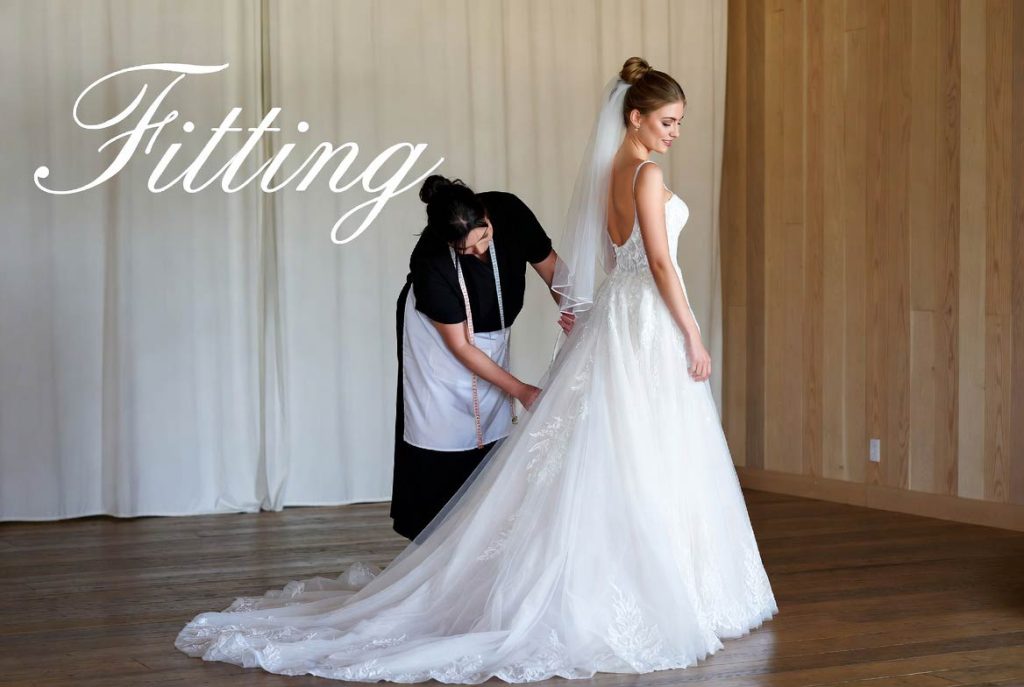
Be the Star on Your Wedding Day
For brides, looking their best on the wedding day is essential. Choosing a fashionable dress that suits your body is a must! However, even after trying on rows of gowns at bridal shops or studios, many brides still struggle to make a decision. What are the key tips for trying on wedding dresses?
Should You Try On as Many Dresses as Possible?
Many brides believe that trying on more gowns is better, but this is not always true. Trying too many styles can lead to confusion, making it hard to decide which one suits you best. Testing very different styles in multiple stores can make it even harder to find “the one.” The best approach is to identify a preferred style beforehand and then try on 2–3 gowns of that style.
For Brides with a Small Bust
Do not feel insecure if you have a smaller bust. Strapless gowns are usually safe because the waist and abdominal area inside the dress is tightly fitted, which helps lift and support the bust. Bridal studio staff often have additional tricks to ensure proper support.
For Brides with Fuller Arms
Avoid sleeveless dresses if concerned about upper arms. Brides with broader shoulders can consider American-style sleeveless gowns, which allow the arms to appear long and elegant.
Is a Petticoat Necessary?
Most wedding dresses require a petticoat, but the type depends on the gown’s fabric, style, and the bride’s body. Avoid pairing a heavy petticoat with an already heavy gown, as this can feel cumbersome. Even petite brides should select a compatible petticoat to create a dynamic, flowing hemline that enhances movement and showcases their figure.
For Brides Who Are Pregnant
Being pregnant is no longer unusual, and brides with a baby bump do not need to wear tight-fitting gowns. This protects both the baby and the bride. High-waist gowns, with the waistline just below the bust, can conceal the belly while keeping a flattering shape.
Are Gloves Necessary?
Wearing gloves is optional. They add a formal and elegant touch but are not mandatory. Brides usually remove them after the ceremony.
Wedding Dress Rental
1. Choosing a Vendor
After considering price, selecting a reputable vendor is crucial. Previously, brides often rented gowns from photo studios or small shops along popular wedding dress streets. The former can be expensive, while the latter may have hygiene concerns. Nowadays, specialized bridal studios offer convenience, a wide selection of styles, and better rental and return services. Many studios also provide fitting and makeup facilities, making them a cost-effective choice.
2. Alterations and Sizing
Unlike purchasing a custom-made gown, rented gowns may require adjustments. Brides should ask if the gown can be tailored to their measurements to avoid issues later. Most rental gowns allow size modifications, except for some special designs. Additionally, petticoats are an important consideration. It is recommended to request an extra petticoat at the start to prevent any mishaps on the wedding day.
Wedding Photography Guidelines
- On the day of the wedding photoshoot, do not use hairspray or styling products, and avoid applying makeup. Men should shave, and women should remove underarm hair.
- Avoid wearing valuable items (such as necklaces, earrings, etc.) to prevent unnecessary loss.
- The basic wedding photography process for reference: Appointment → Consultation → Plan Photoshoot → Payment → Photoshoot → Proof Review → Editing/Production → Collection.
- If you have any opinions regarding makeup, hairstyles, or attire before the shoot, communicate them promptly with the photography staff.
- On the day of the shoot, try to persuade family members not to accompany you to avoid waiting and affecting the mood. Maintain a cheerful mindset.
- Bring your appointment confirmation. If full payment hasn’t been made, bring the remaining balance.
- Bring your own ampoules and adhesive or strapless underwear.
- Prepare one pair of dark socks and one pair of light socks for the groom, and wear black dress shoes.
- After 8 PM, avoid drinking water to prevent puffiness around the eyes the next day. Go to bed early, and it’s recommended to use a hydrating face mask to make makeup easier the following day.
- Bring a pair of comfortable high heels (you may wear them to the studio). If there will be outdoor shooting, bring a pair of sneakers for running.
- Wear front-opening clothes to the studio, and comfortable pants or leggings underneath for hygiene when wearing the wedding gown.
- Bring your own camera if you want to take behind-the-scenes photos.
- Bring some chocolate for quick energy without ruining makeup.
- Fresh flowers at the studio usually require extra fees. Consider whether you want to bring your own, as flowers should match the dress.
- If you want a fresh flower bouquet, bring it yourself, because studio bouquets are usually artificial.
- Before signing the contract, try to secure an experienced photographer, as the photographer’s skill directly affects photo quality.
- Experienced photographers guide clients into good poses and expressions, while less skilled photographers may not focus on this. Regardless of the photographer’s skill level, remain relaxed, smile naturally, and give your best performance to ensure optimal photos.
Wedding Dress Care and Storage
Tips for Preserving Your Wedding Dress
After bringing your wedding dress home, it’s important to store it carefully after the wedding so it can last a lifetime. Avoid leaving it at an ordinary laundromat, as wedding dress care differs greatly from other delicate garments. With a few key tips, cleaning and preserving your gown yourself is manageable.
Cleaning the Dress
Wet cleaning is essential because delicate embellishments, such as beads and sequins, cannot withstand the chemicals in dry cleaning. The best method is to soak the dress in water mixed with a gentle, neutral detergent. This helps remove stains from wine, oils, and other residues from the wedding day. Extended soaking can even eliminate invisible stains such as sweat or alcohol marks.
Drying and Storage
Once cleaned and fully dried, store the dress in a cool, dry place, such as a closet or under the bed. Do not hang the dress, as the weight can stretch or even tear the gown over time. The large crinoline hoops inside the dress can be twisted for storage, but remember to restore them to their original shape during annual airing to maintain elasticity.
Important Precautions
- Always wash your hands before handling the dress to avoid transferring makeup or oils, which can cause yellow stains over time.
- Avoid using washing machines or wringing out the gown, and never expose it to direct sunlight, as this can make fabrics brittle and damage embellishments.
- For extra protection, consider disinfecting the gown using ultraviolet light and ozone treatment after use.
Hygiene Considerations for Studio Dresses
Many wedding gowns today are made from synthetic fibers such as nylon, polyester, or fiberglass, which may contain allergens. Repeated use without proper cleaning can increase the risk of allergic reactions or skin irritations like redness, itching, or rashes. Unclean gowns can also spread infectious agents, including hepatitis virus, dysentery bacteria, tuberculosis bacteria, or staphylococcus, and may cause fungal infections or skin diseases like ringworm or scabies. Always prioritize safety and hygiene.
Care and Maintenance Tips
- Ask the shop about the dress material and any embellishments before purchasing; reputable shopkeepers will provide detailed guidance.
- Crinoline hoops inside the gown can be twisted for storage but should be restored to shape each year to maintain elasticity.
- All wedding gowns should undergo professional cleaning before careful storage. Cotton gowns require extra attention, as fibers are more prone to damage. Avoid harsh detergents.
- If hanging the gown, wrap the hanger in undyed cotton batting and place the dress in a breathable cotton garment bag.
- Compared to delicate fabrics, cotton gowns are more durable and easier to maintain. Fold gowns with acid-free tissue paper between layers, support the bodice and sleeves, and store in acid-free boxes with ventilation. Proper airflow prevents mold but too much oxygen can degrade fibers, so choosing the right storage container is essential.

Leave a comment